10 Budget Categories That Actually Fit Your Lifestyle

Why Budget Categories Matter More Than You Think
Budgeting isn’t just about spreadsheets and numbers—it’s about designing a personal budget that reflects your real life. The key to success is choosing budget categories that align with your goals, habits, and priorities. If your categories are too rigid or generic, your budget becomes a chore instead of a tool for freedom. The right structure turns your budget into a lifestyle roadmap—helping you manage money, meet savings goals, and stop overspending in problem areas.
The Foundation: Fixed vs. Variable Expenses
Start by breaking your expenses into fixed and variable categories. Fixed expenses (like rent or insurance) stay consistent each month, while variable costs (like groceries or utilities) can fluctuate. Understanding this distinction is the first step in building a budgeting system that works. Want more help building from scratch? Check out this step-by-step budgeting guide to set a strong foundation.
Discretionary Spending: Where Most Budgets Break
Discretionary spending includes non-essential purchases like entertainment, dining out, or subscriptions. These are the easiest places to overspend. The solution? Create realistic budget categories here instead of trying to eliminate them entirely. For example, a category labeled “guilt-free fun” makes spending intentional, not impulsive. If you struggle with emotional spending, this guide can help you recognize and manage your triggers.
Personalizing Your Budget with Lifestyle Categories
Not all categories will apply to everyone. A single professional’s budget looks very different from a family of four. Consider categories like “childcare,” “pet care,” or “self-development.” Your customizable budget should reflect how you actually live, not how you think you “should” be spending. The more realistic your categories, the more likely you are to stick to them.
Savings Categories You Shouldn’t Skip
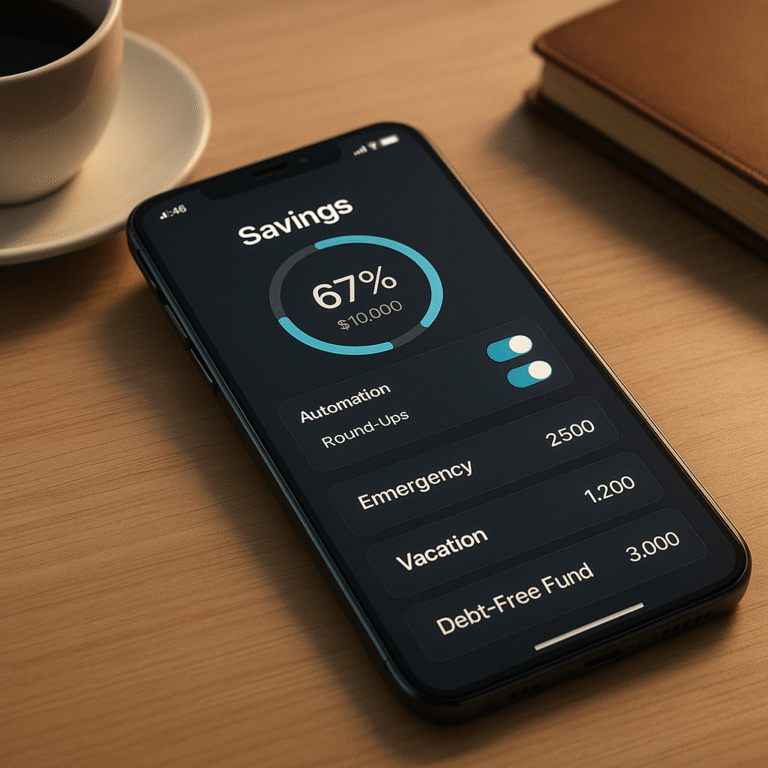
Too often, people treat savings as optional. It shouldn’t be. Add categories for short-term and long-term savings goals. Include line items like “vacation fund,” “emergency savings,” and “retirement.” For beginners, setting a target like the $1,000 emergency fund is a smart, achievable place to start.
What Are Sinking Funds and Why You Need Them
Sinking funds are savings for predictable but irregular expenses—like car maintenance or holiday gifts. They’re essential for avoiding budget surprises. Instead of being caught off guard, you prepare month by month. Create separate budget categories for each sinking fund, and automate transfers if possible. This helps reduce the pressure of large, one-time payments.
Popular Budgeting Methods to Structure Your Categories
Not sure how to organize all your categories? Explore tried-and-true frameworks like the 50/30/20 rule, envelope system, or zero-based budgeting. These methods provide clear guidelines on how to allocate income, making it easier to stay consistent and avoid leaks in your financial plan.
Budgeting Tools and Apps That Help You Stay Organized
Use digital tools to streamline your budgeting process. Many budgeting apps allow you to categorize, track, and adjust on the go. Whether you prefer automatic syncing or manual input, there’s a tool that fits your style. We’ve rounded up the best free budgeting tools for 2025 to get you started without paying a dime.
Tracking Spending Within Each Category
Expense tracking helps you stay aware of what’s going where. Use weekly check-ins to review each budget category and make adjustments if needed. Even small leaks—like coffee runs or app subscriptions—can add up. Regular tracking keeps you honest and helps you understand your patterns over time.
Adjusting Categories As Your Life Changes
Your budget is a living tool. As your lifestyle changes, your budget categories should evolve too. Got a new job? Add a “commute” or “work wardrobe” category. Paying down debt? Allocate more to “debt snowball” or “extra payments.” Don’t be afraid to edit, refine, or eliminate categories. Flexibility keeps your personal budget aligned with your real goals.
Conclusion: Build a Budget That Works with You, Not Against You
Effective budget categories aren’t just about controlling spending—they’re about empowering decision-making. When you personalize your budget to your lifestyle, you gain clarity, reduce stress, and move toward financial freedom. With the right tools and a mindset of flexibility, your customizable budget can support every stage of life. Ready to level up? Learn 10 daily habits that help you save money automatically.
Expert Guidance on Personalizing Budget Categories
Looking for deeper insights into customizing your budget? NerdWallet’s guide to creating a budget breaks down how to choose categories based on real-life spending. You can also explore CNBC Select’s beginner-friendly budgeting tutorial for tips on tracking, adjusting, and staying on course month after month.
FAQs
1. What are the most important budget categories?
Essentials like housing, food, transportation, and savings are critical. After that, customize based on your life needs.
2. How do I choose which categories to include in my budget?
Track your spending for 30 days to identify patterns. Then create categories around your recurring expenses and goals.
3. Can budget categories be different for every person?
Absolutely. Your budget should reflect your lifestyle, income, and priorities—not a one-size-fits-all template.
4. How often should I review my budget categories?
At least monthly. Life changes—your budget should too.
5. What’s the difference between a sinking fund and savings?
Sinking funds are for specific future expenses. Savings are broader and often long-term or for emergencies.